

What Does an “Average” Wedding Actually Cost?
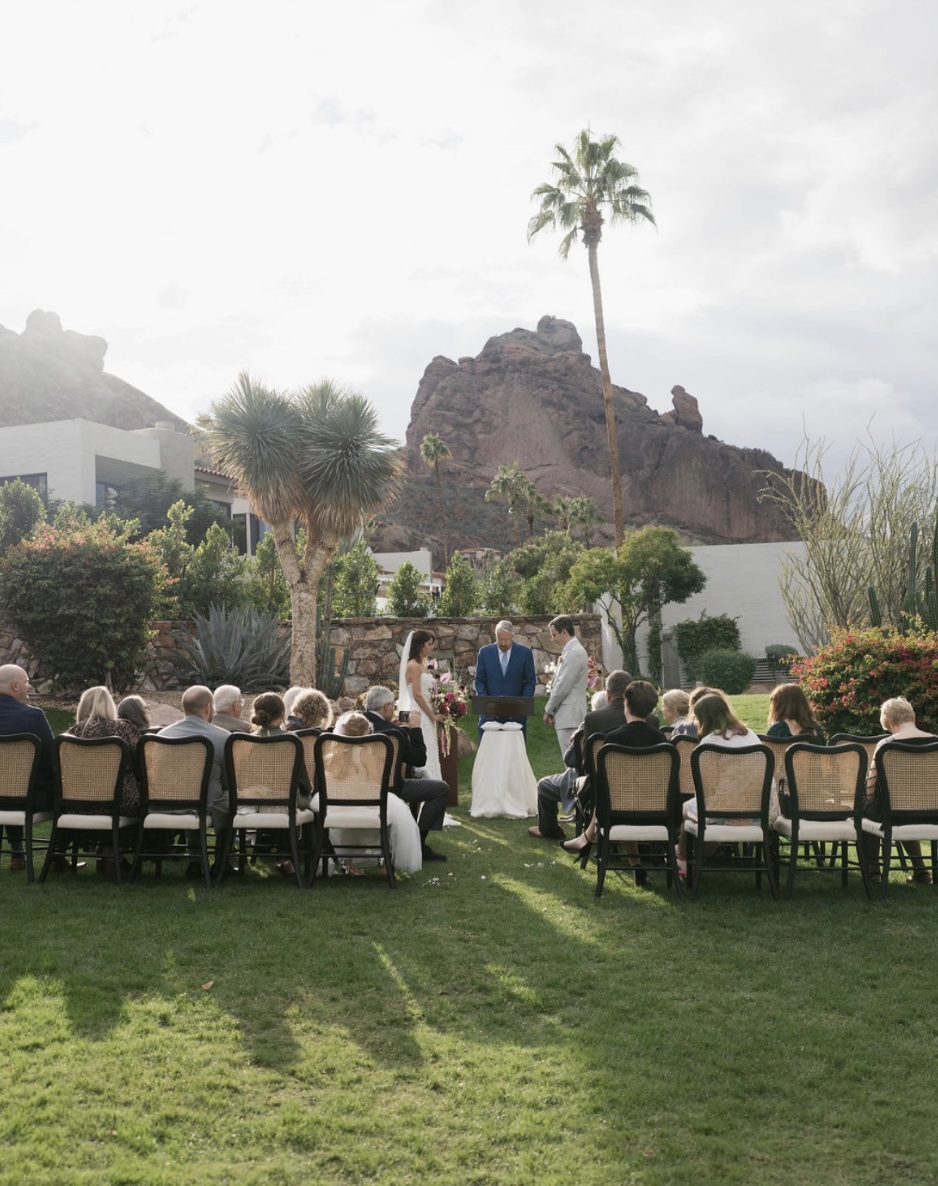
@jaidynmichelephoto
If you’ve started planning a wedding and Googled “average cost of a wedding,” you’ve probably seen the number $30,000 pop up everywhere.
At first glance, that number can feel reassuring. Many couples think, “Okay, that sounds manageable.”
But here’s the honest truth from someone who works in weddings every weekend:
That number is extremely misleading.
Not because weddings can’t cost $30,000 — they absolutely can. But the way the internet calculates that “average” often paints a picture that doesn’t reflect what most couples actually experience when they start planning.
Let’s talk about why.
The Internet “Average” Is Highly Skewed
When websites report the “average” wedding cost, they’re usually pulling data from a huge range of weddings across the entire country.
That means the data includes:
Backyard weddings with 20 guests
Elopements
DIY celebrations where families cook the food
Weddings in small towns with lower vendor costs
Luxury weddings that cost hundreds of thousands
When you mix all of those together, you get a number that technically averages out — but doesn’t necessarily represent the reality for couples planning a traditional wedding with professional vendors.
It’s kind of like saying the “average house price” includes both tiny rural homes and luxury beachfront properties. The number might be accurate mathematically, but it doesn’t always match what buyers see when they start shopping.
Weddings Vary Wildly by Location
Where you get married plays a huge role in the cost.
For example, a wedding in a small town may have very different pricing than a wedding in a major city or a popular destination location.
Vendor costs, venue availability, staffing, rentals, permits, and labor all fluctuate depending on the market. What costs one amount in one region may look completely different somewhere else.
So when couples see a single nationwide “average,” it can create expectations that don’t line up with local realities.

@jaidynmichelephoto
Guest Count Changes Everything
One of the biggest factors in wedding cost is simply how many people are attending.
Every guest impacts:
Catering
Rentals (tables, chairs, linens, glassware)
Invitations
Favors
Bar service
Space requirements
A 40-person wedding and a 150-person wedding will have completely different budgets — even if the style of the event is the same.
The Type of Wedding Matters
There are also huge differences between wedding styles.
A casual backyard celebration with minimal rentals will look very different from a wedding hosted at a full-service venue with catering, bar service, florals, entertainment, photography, and décor.
Neither is better than the other — they’re simply different experiences with different budgets.
What Couples Should Focus On Instead
Instead of comparing your wedding to a nationwide “average,” it’s much more helpful to think about:
Your guest count
Your location
Your priorities (food, photography, entertainment, etc.)
The type of experience you want to create
Those factors will shape your budget far more than any number you find online.
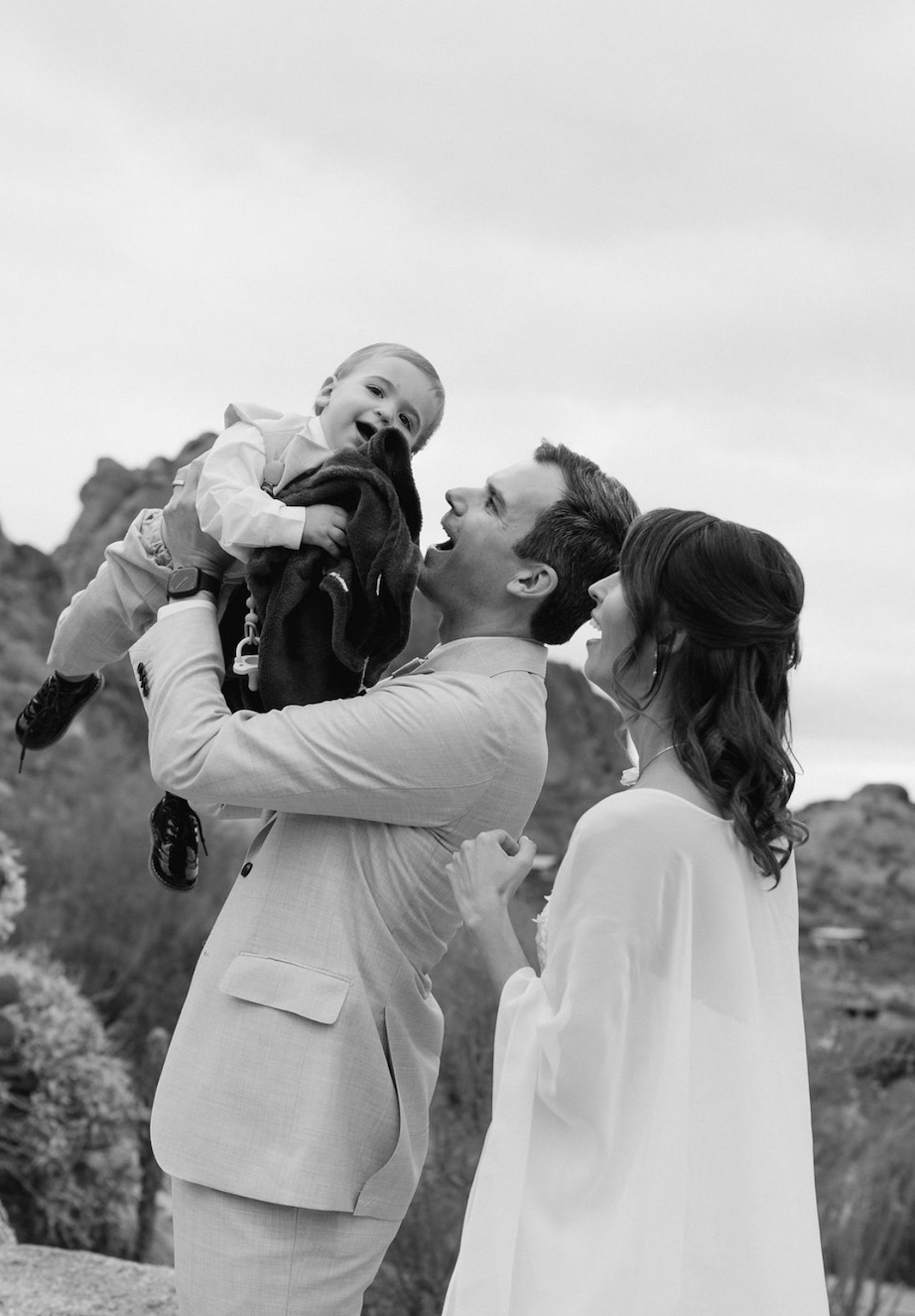
@jaidynmichelephoto
The Goal Isn’t to Match an Average
At the end of the day, there is no single number that defines what a wedding should cost.
Some couples host intimate celebrations. Others plan large multi-day events. Some prioritize incredible food, while others focus on design, music, or photography.
The best wedding budget isn’t the one that matches the internet’s “average.”
It’s the one that allows you to create a celebration that feels meaningful, joyful, and true to you.
If you’re early in the planning process, working with a planner can also help you understand what weddings actually cost in your area and how to build a realistic budget based on your vision.
Because while the internet can offer inspiration, real planning is always a little more nuanced than a single number.
